Senior Care
Each plan starts with the person: sleep, appetite, memory, mobility, medicines, and the rooms they do not want to leave. Companions and clinicians share one written rhythm so the day feels predictable.
Read moreSteady clinical support, familiar routines, and people who take time to know the household. We help older adults remain at home with dignity, good food, safer movement, and a family that feels informed.
Each plan starts with the person: sleep, appetite, memory, mobility, medicines, and the rooms they do not want to leave. Companions and clinicians share one written rhythm so the day feels predictable.
Read moreIf someone may be in immediate danger, contact local emergency services. For a planned visit, medicine question, or family meeting, write to the care desk and a coordinator will reply by email.
Read moreGrowing older should not mean handing the day over to strangers who rotate without explanation. We build senior care around the kitchen table, the favourite chair, the morning tea, and the people whose voices already feel safe.
A coordinator listens first. A clinician looks at mobility, medicines, mood, and memory. A companion then carries the plan into ordinary hours: a walk to the window, a meal that is actually eaten, a story repeated without hurry, and a note home so the family is not guessing.
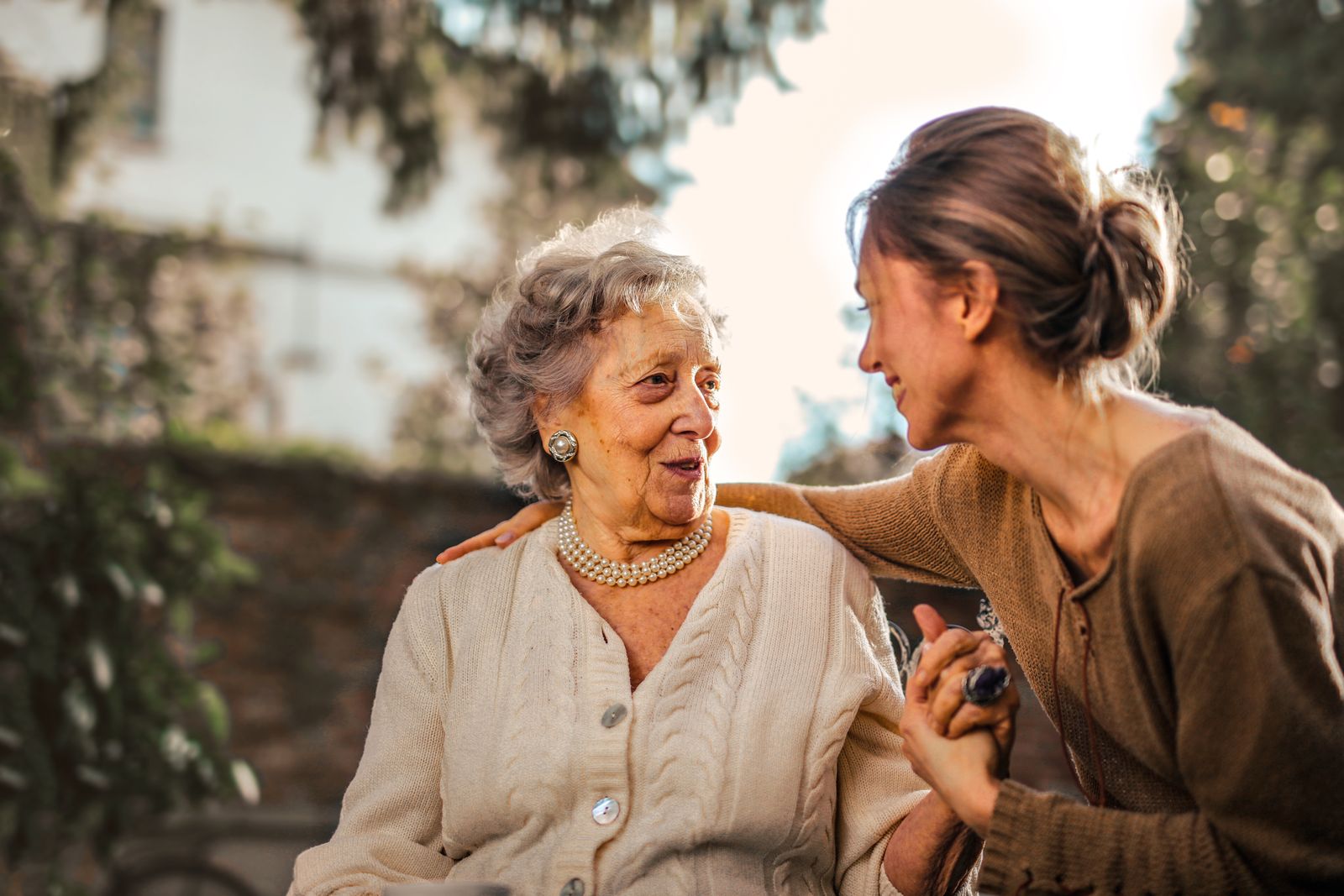
Nursing oversight, wound and skin checks, medicine prompts, and recovery support after a clinic visit, delivered in the home rather than a crowded waiting room.
Read more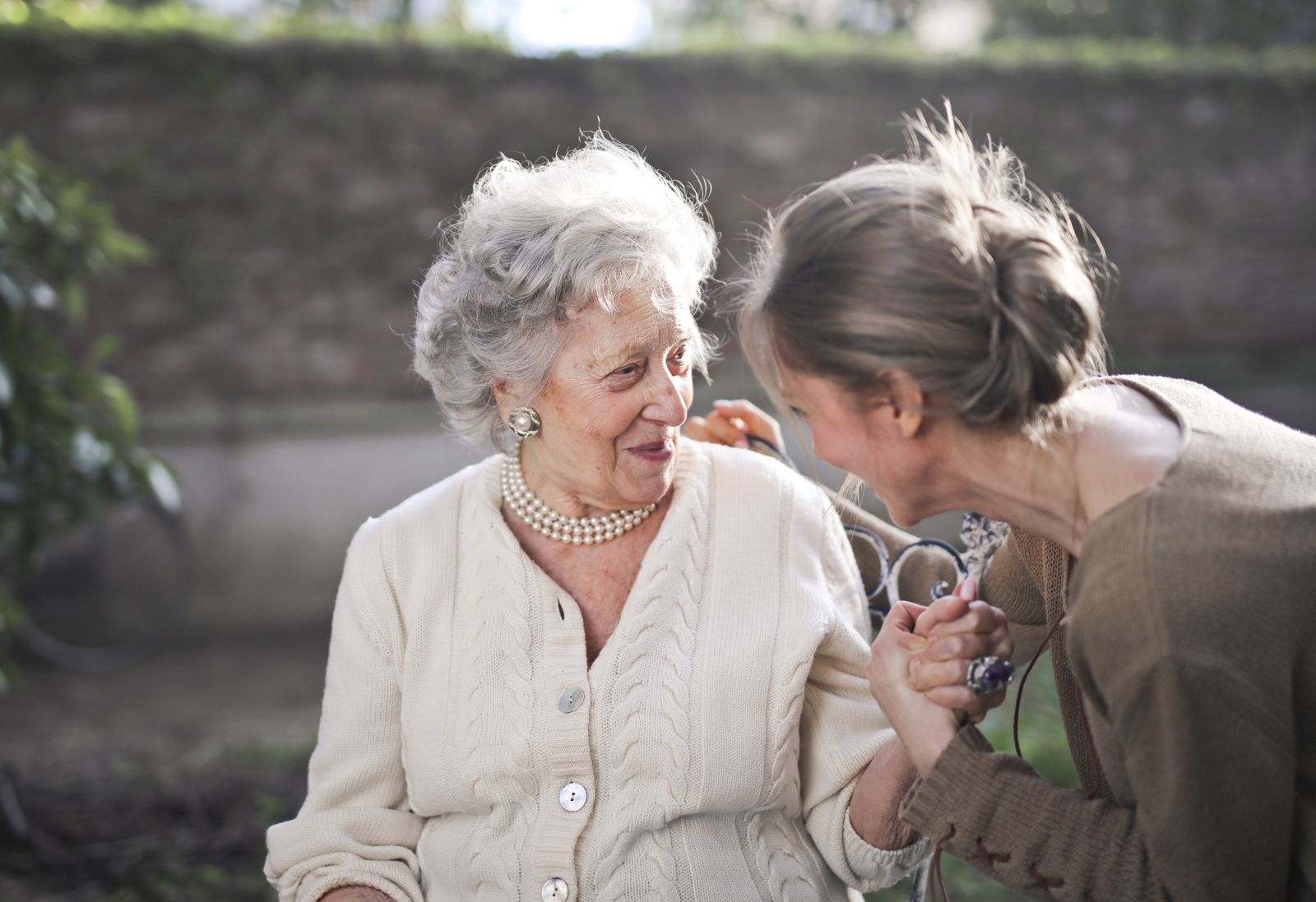
Help with washing, dressing, meals, and the small tasks that keep a person in charge of their own day, with support that steps forward only when it is needed.
Read moreEvery household has one coordinator who knows the medicines, the worries, and the way the person likes to be greeted.
Geriatric clinicians, rehabilitation partners, and companions trained to notice small changes before they become a crisis.
Clear monthly plans, written in plain language, so support can grow or ease without a surprise invoice.
Practical help for the hours that matter: getting to a clinician, eating well, moving with less fear, and staying known by name.

A calm escort to clinics and therapy, with notes brought home so the family hears what was said.
Nurse visits, observation, and recovery support shaped around the person’s own bedroom and kitchen.
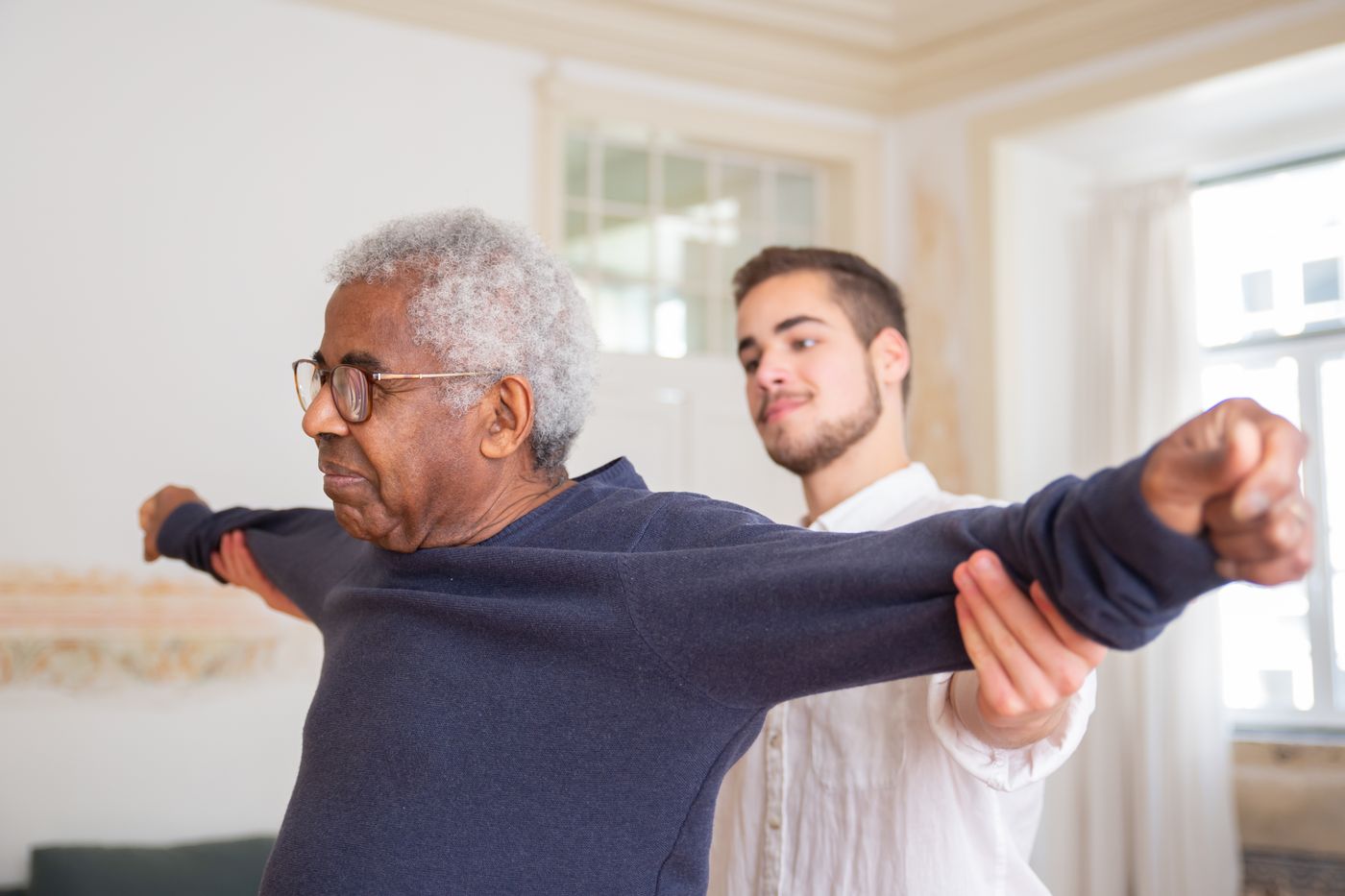
Short strength and balance sessions that protect joints and make the next walk feel possible.
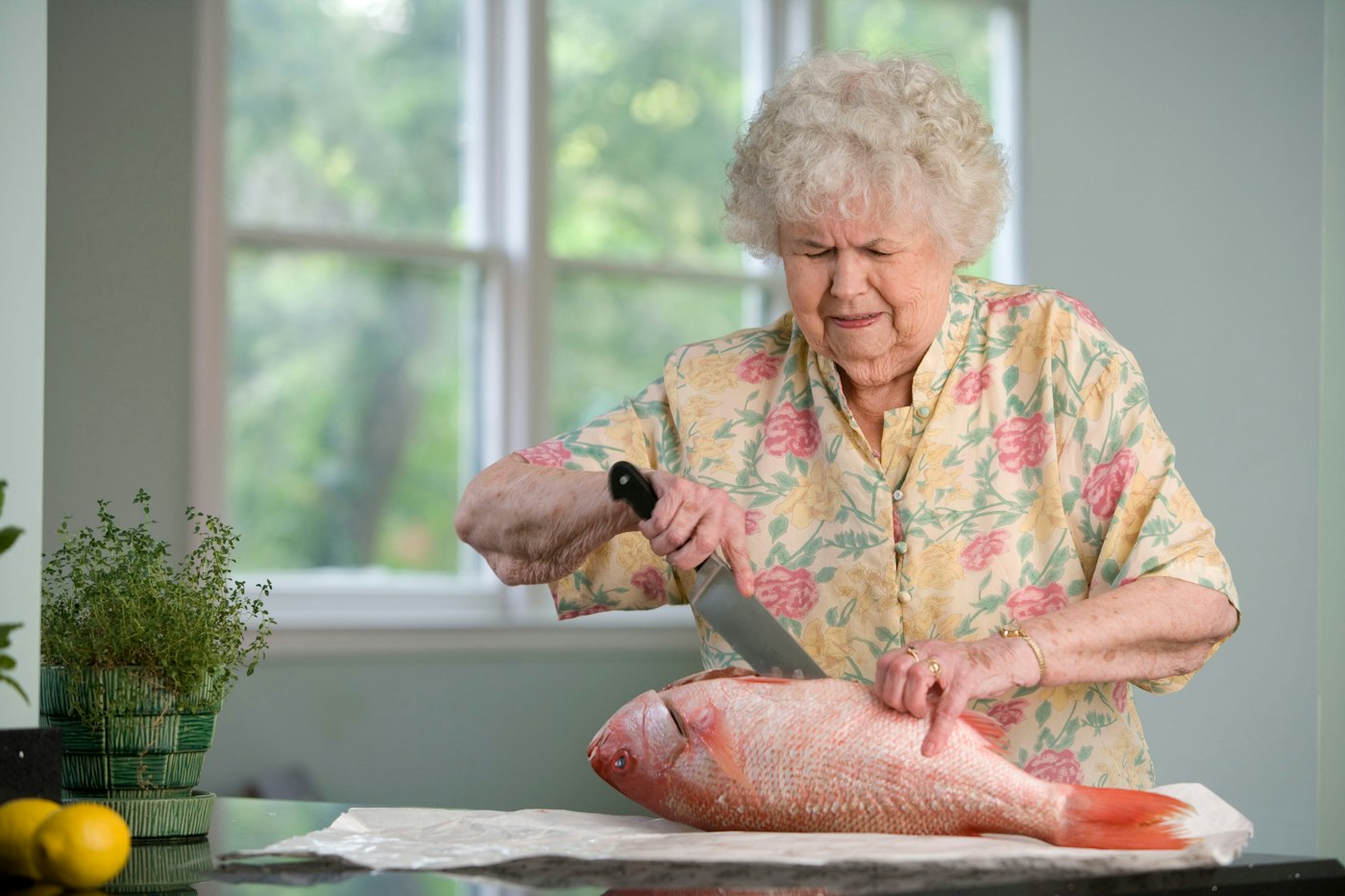
Shopping, cooking, and gentle prompts so meals stay warm, familiar, and actually finished.
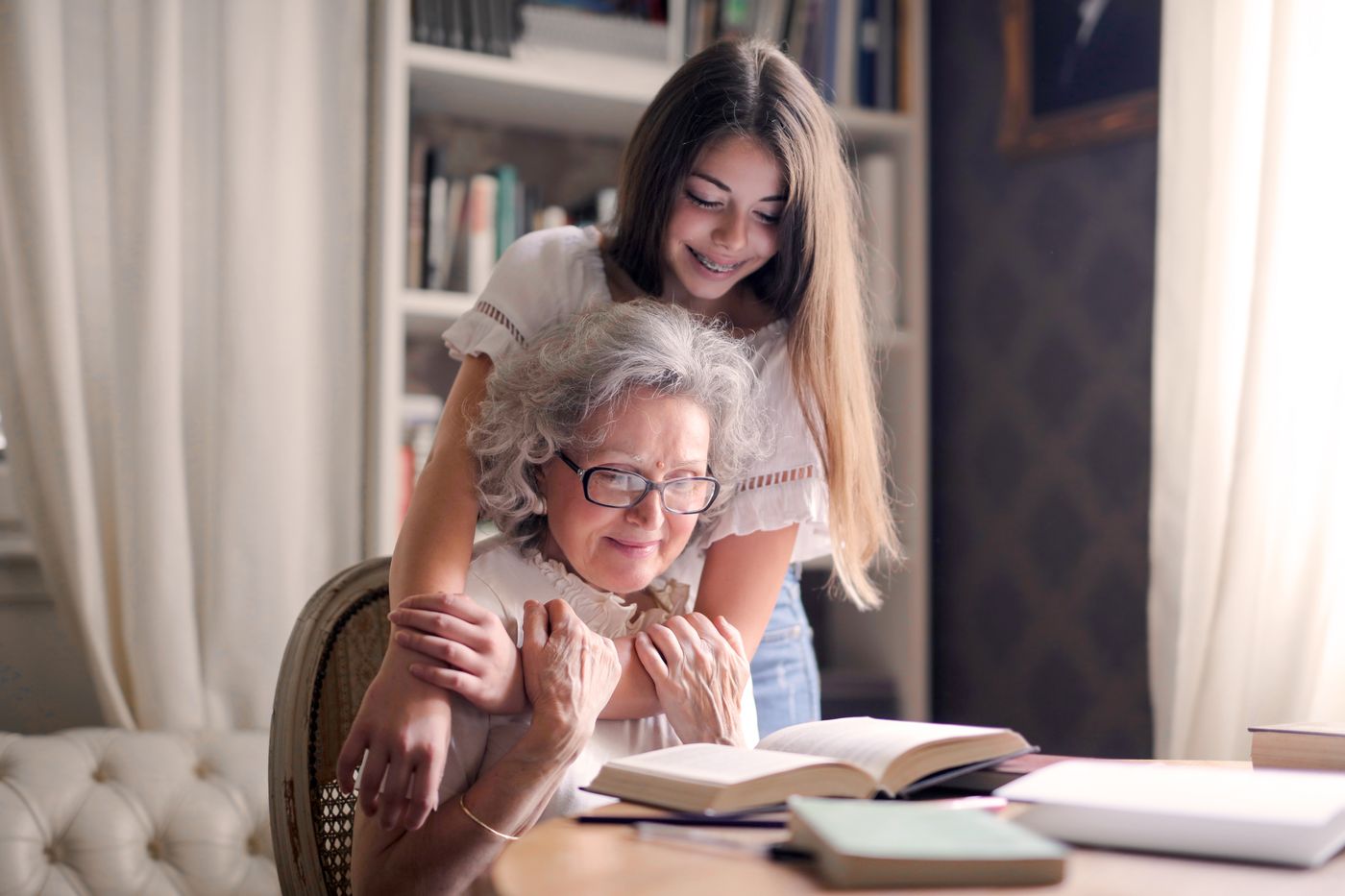
Repeated stories, photos, music, and a single familiar face when the day feels unsettled.

Unhurried presence, symptom watching, and family coaching when the goal is ease rather than hurry.
186
42
128
2,480
Clinicians who spend their days with older adults, not a rotating list of unfamiliar names.

Geriatric medicine. She looks at the whole week, not a single symptom, and writes plans families can follow.

Heart and circulation in later life, with extra care for breathlessness, swelling, and medicine load.

Memory and cognitive health. She helps families tell ordinary forgetfulness from changes that need a new rhythm.
Small group sessions for enrolled families. Join from home. No travel is required.
A physiotherapist leads seated and standing balance work that families can repeat during the week.
Reserve a place →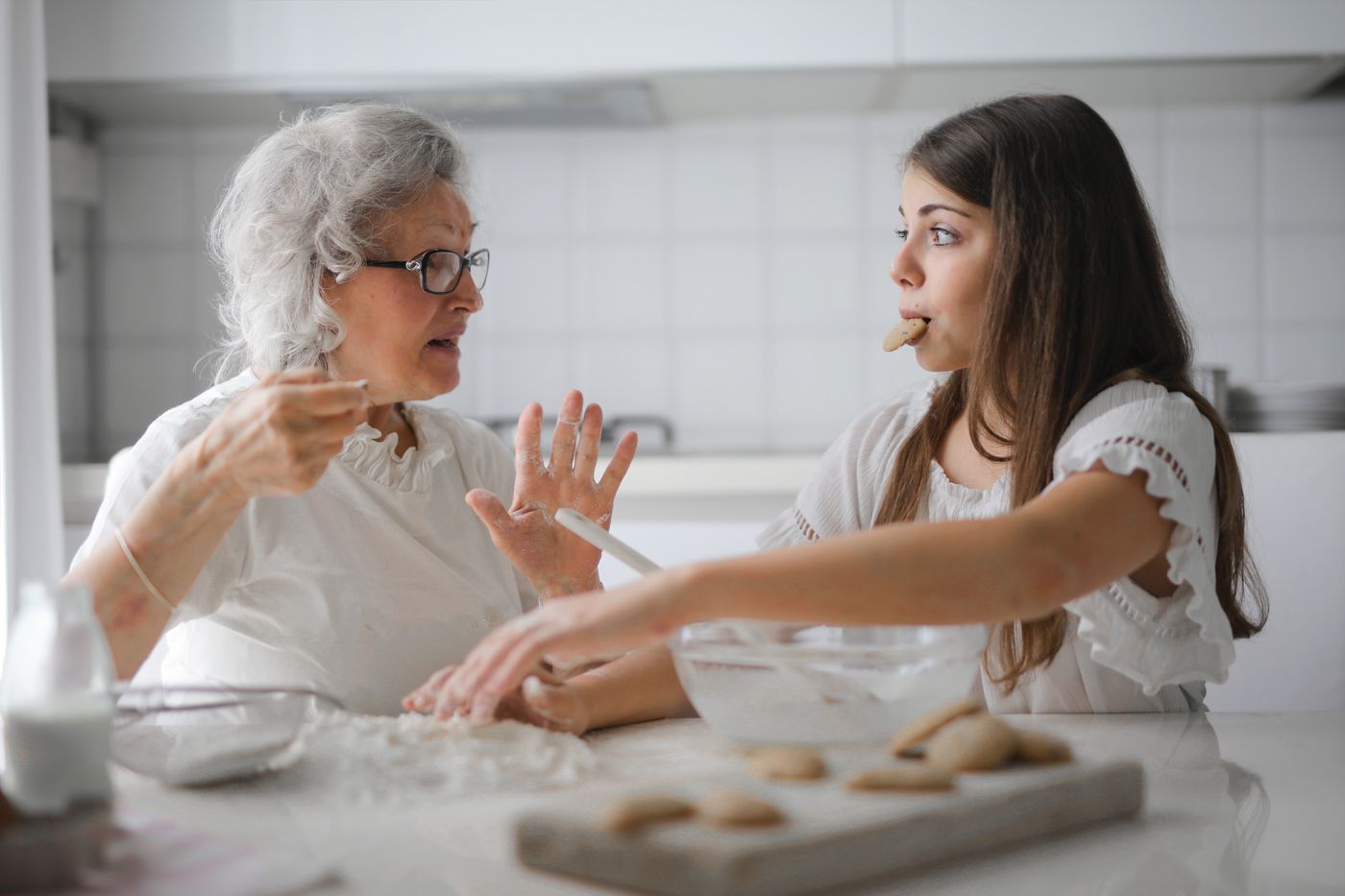
Learn simple plates, hydration, and how to keep cooking a pleasure when energy dips.
Reserve a place →A guided hour for people living with memory change and the relatives who sit beside them.
Reserve a place →Coordinators help siblings and spouses divide tasks, notes, and rest so one person is not carrying everything.
Reserve a place →Ordinary hours of senior care: conversation, movement, meals, and the quiet work of staying close.
Notes from households who let us into the ordinary parts of the week.

Daughter
They learned how Mum takes her tea and which story she tells twice. The house feels staffed by people, not a rota.
Son
Dad’s swelling was noticed on a Thursday, not after a weekend of worry. The note to me was plain and kind.
Spouse
I still cook, but I am no longer the only one watching the pills. I slept through a night for the first time in months.
Practical writing for families who are learning senior care one ordinary day at a time.
The rooms, shoes, and habits that quietly decide whether a day ends upright.

How to make a crowded pill shelf into a routine someone can actually follow.

Protein, fluids, and the pleasure of a plate that still looks like home cooking.