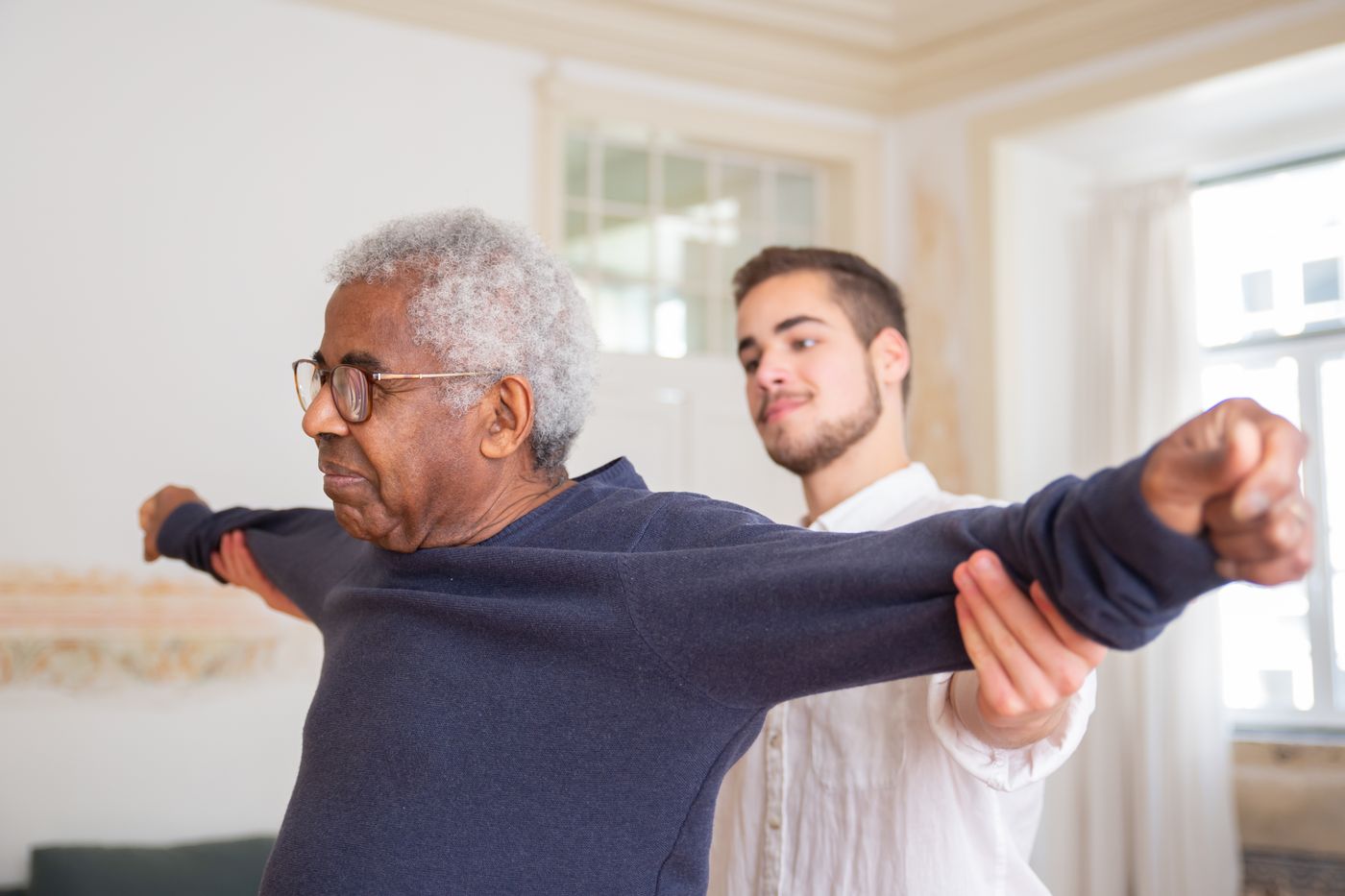
A fall is rarely one dramatic mistake. It is usually a rug, a dim hallway, a shoe that has gone soft, a medicine that drops blood pressure, and a person who has stopped trusting their own feet. Senior care works best when those ordinary details are treated as clinical, not as scolding.
Start with the path, not the lecture
Walk the route the person actually uses: bed to bathroom, chair to kitchen, door to the place they sit in the afternoon. Note what they hold. If they reach for a wobbly table, the table is part of the care plan. Good lighting matters more than a new exercise poster. A night light that they can find without searching is a safety device.
Floors should be honest. Loose rugs, trailing cords, and polished patches that look elegant and behave like ice are worth removing even when the room looks barer afterwards. Shoes or well-fitted indoor soles beat socks on wood. Slippers that collapse at the heel are a quiet hazard.
Strength that fits the living room
Balance improves when practice is short and repeated. Sit-to-stand from a firm chair, heel raises while holding the counter, and a slow march in place are enough to begin. Pain is information, not a test of character. A movement clinician such as Dr. Andre Cole can mark which exercises to keep and which to drop on a stiff morning.
After a near miss
If someone sways, sits down hard, or is found on the floor even without injury, write it down. Note the time, what they were doing, and whether they felt dizzy, weak, or simply caught a foot. That note helps a geriatric review look for medicines, dehydration, vision, or a heart rhythm problem. Fear after a stumble is itself a risk, because people stop moving and then become less steady.
GetPaid Healthcare companions are asked to mention unsteadiness the same day, not at the end of the month. Families should hear it too. Steadiness is a shared job: the house, the shoes, the medicines, and the courage to keep walking with someone nearby.