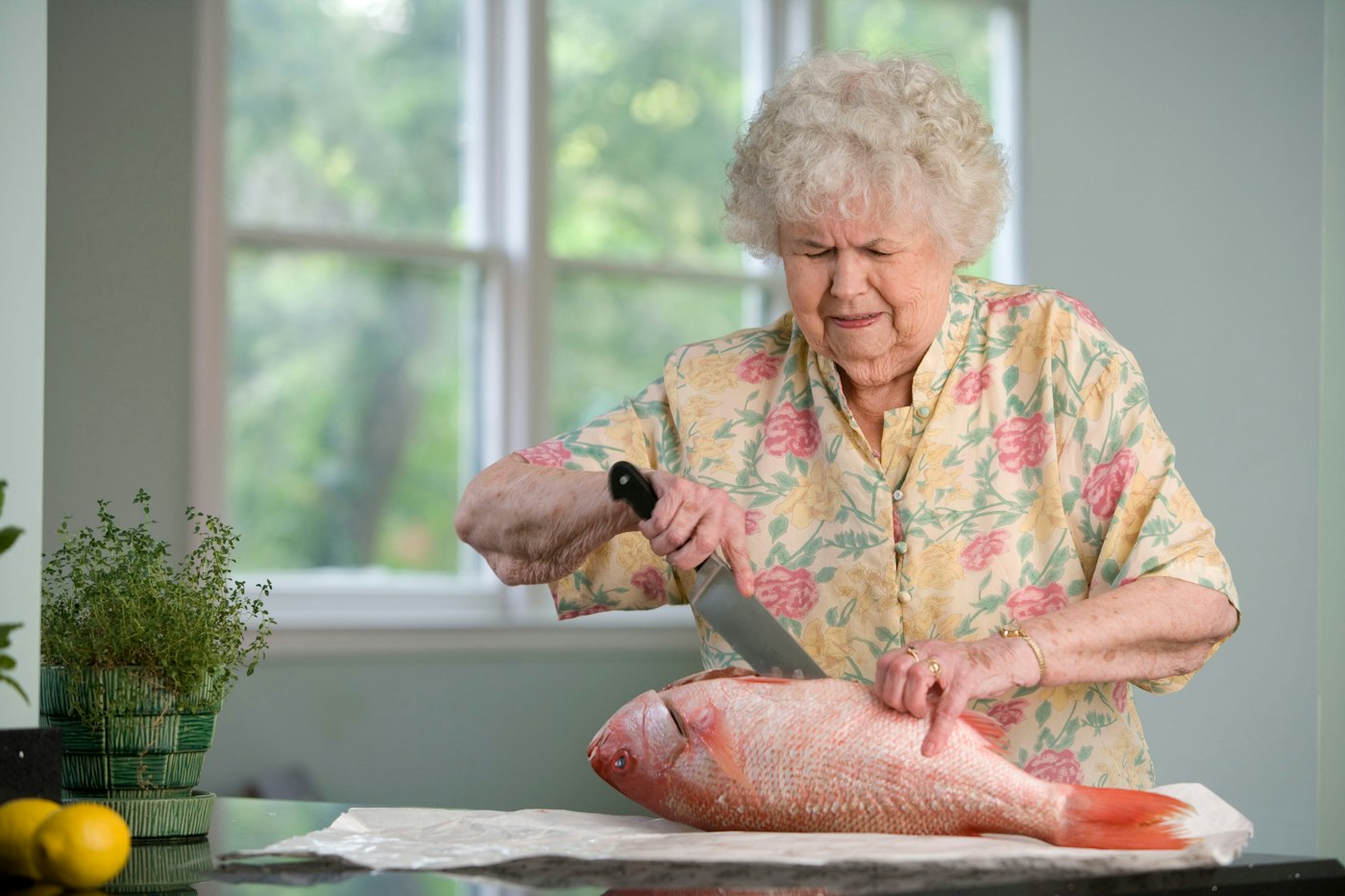
Appetite often shrinks before anyone calls it a problem. Plates come back half full. Tea replaces lunch. Trousers sit looser, and someone says they have simply “gone off food.” Nutrition in later life is not a youth diet run in reverse. It is the craft of getting enough protein, fluid, and pleasure into a smaller hunger.
Small plates, real food
Three large meals can feel like a task. Four smaller ones often work better: eggs or yogurt in the morning, soup with beans or fish at midday, a soft sandwich later, and a milky drink in the evening. Add colour where chewing allows. If meat is difficult, fish, eggs, lentils, milk, and ground dishes still carry protein.
Dr. Sofia Berg asks families to protect the foods a person still loves. A familiar spice or a bread they recognise can matter more than a perfect nutrient chart. Dental pain, loose dentures, constipation, and low mood all pretend to be “a small appetite.” They deserve their own fix.
Fluids are part of the meal
Dehydration makes people dizzy, confused, and unsteady. Offer drinks on a schedule, not only when thirst is announced. Water, milk, broth, and diluted juice all count. Sugary drinks should not be the only calories of the day, but neither should anyone be left dry because a jug was too heavy to lift.
When weight drops quickly
A steady loss of weight, food held in the mouth, coughing during meals, or a new refusal of favourites should be written down and shared with the care team. Swallowing trouble is not a table-manner issue. It needs a clinical look. Comfort care may later change the goal from “more calories” to “food that feels kind,” and that shift should be spoken aloud, not guessed.
Cooking with someone, as many of our companions do, is not a luxury extra. It is how meals stay social. People eat better when they are not facing a tray in silence.